Sustainability and Climate change Strategy
Supporting an Independent School to Develop a Sustainability Strategy
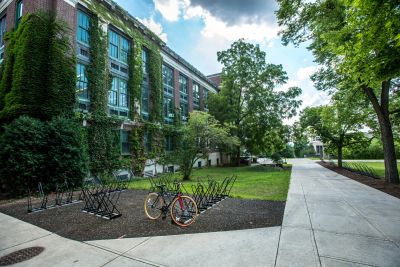
Aloe Environmental Consulting was commissioned by an independent school in Yorkshire to develop a practical Sustainability Strategy and Ecological Stewardship Plan.
The project involved reviewing energy use, travel, water, waste, procurement, grounds management and biodiversity across the school estate. Working closely with the bursar, estates team and grounds staff, we established a sustainability baseline and identified practical opportunities to improve environmental performance whilst supporting the school's educational objectives.
Key recommendations included:
- Targeted energy audits and improved utility monitoring.
- Enhanced recycling and waste segregation arrangements.
- Review of pupil and staff travel patterns.
- Opportunities for solar PV and energy efficiency improvements.
- Introduction of sustainable drainage and rain garden features.
- Low-mow areas and habitats to improve biodiversity.
- Student-led environmental projects and engagement activities.
- A practical five-year sustainability action plan with clear priorities and responsibilities.
The final strategy provided the school with a clear roadmap for managing energy, resources, biodiversity and climate resilience, whilst creating opportunities for student involvement and environmental education.
"I think it provides a great way forward for the school."
Bursar, Independent School
REACH and EUDR
Chemical Compliance and EUDR Support for a Furniture Manufacturer
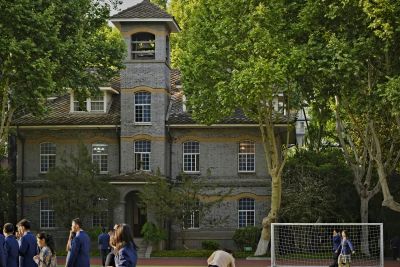
Aloe Environmental Consulting was appointed by a specialist furniture manufacturer to assess compliance with UK and EU chemical regulations, including REACH, POPs and Biocides legislation. The review involved mapping materials, evaluating supplier documentation and identifying potential compliance risks within the supply chain.
The initial assessment identified a number of opportunities to strengthen compliance processes, improve material traceability and close supplier information gaps ahead of planned growth into European markets.
Key outcomes included:
- Identification of potential REACH and POPs compliance risks.
- Review of Safety Data Sheet (SDS) management and supplier documentation.
- Development of supplier questionnaires and compliance verification processes.
- Creation of material traceability systems and compliance records.
- Supply chain mapping to support EUDR requirements.
- Support for implementation of the RADIX Tree platform and supplier evidence collection.
- Development of compliance policies, procedures and staff guidance.
The project expanded beyond the initial assessment to include European Union Deforestation Regulation (EUDR) support, helping the manufacturer improve supply chain traceability and prepare for customer compliance requirements.
Following completion of the initial compliance work, Aloe Environmental Consulting was retained to provide ongoing chemical compliance and EUDR support, including supplier evidence management, traceability records, compliance documentation and customer compliance requests.
Ecology and site stewardship
Ecological Stewardship Plan for an Independent School
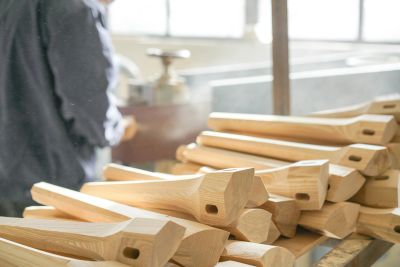
Aloe Environmental Consulting was commissioned by an independent school to develop an Ecological Stewardship Plan for its campus grounds. The project combined a site walkover survey with a review of existing grounds management practices to identify practical opportunities to improve biodiversity, climate resilience and long-term estate stewardship.
The study included habitat mapping and development of a prioritised opportunities plan, helping the school target improvements where they would deliver the greatest benefit whilst maintaining the high standards expected of sports facilities and formal grounds.
Key recommendations included:
- Introduction of sustainable drainage (SuDS) and rain garden features to improve water management and resilience.
- Creation of low-mow areas to reduce maintenance requirements and increase habitat value.
- Enhancement of wildlife corridors and biodiversity-rich planting areas.
- Student-led biodiversity projects, including bird boxes, habitat creation and wildlife monitoring.
- Reduction of chemical and fertiliser inputs through more targeted grounds management practices.
- Use of habitat and opportunity mapping to support long-term decision making.
The final plan provided a realistic and affordable five-year roadmap for enhancing biodiversity, supporting nature recovery and improving climate resilience across the campus.